Fun drawing ideas help artists start a session fast. The list opens doors for practice, play, and skill growth. It gives clear prompts that fit any skill level. Readers will find quick warm-ups, themed prompts, and step-by-step guidance. The article sets simple options so artists can draw right away.
Key Takeaways
- Fun drawing ideas provide clear prompts suitable for all skill levels to start art sessions quickly and enjoyably.
- Warm-up exercises like 5-minute gesture sketches loosen up the hand and improve observational skills.
- Themed prompts such as animals, food, and fantasy keep practice fresh and inspire creativity.
- Creative challenges with set rules, like 30-day drawing or limited tool use, boost artistic growth effectively.
- Balancing quick studies and detailed pieces teaches different aspects of drawing using the same prompts.
- Planning composition, color, and presentation turns simple prompts into polished and finished artworks.
Easy Warm‑Up Prompts For Any Day
Artists can warm up with short, focused tasks. A short warm-up clears the mind and loosens the hand. Try five fast sketches, three tone studies, and two thumbnail compositions. The goal stays simple: move the pencil and make decisions quickly. These warm-ups pair well with the other fun drawing ideas below.
To keep warm-ups fresh, rotate categories: gestures one day, value-only sketches the next, then quick texture studies. Use a timer to enforce limits and prevent overworking a warm-up into a finished piece. Materials matter less than the habit: a ballpoint pen, charcoal stick, or digital brush will all work. The only requirement is consistency—short daily warm-ups compound into noticeable improvement over weeks.
5‑Minute Gesture Sketches To Loosen Up
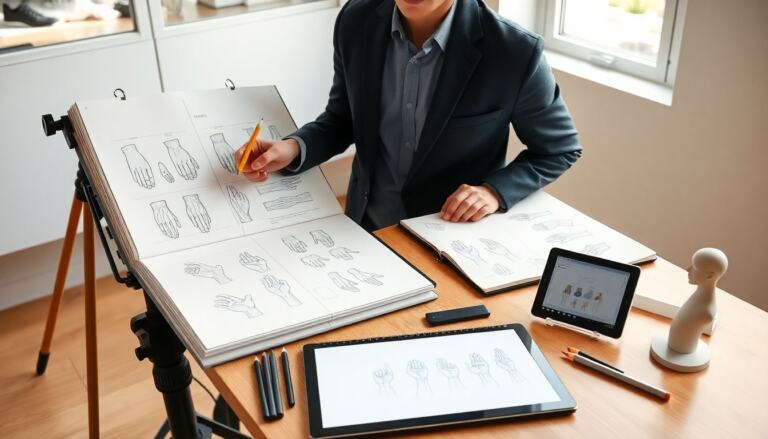
They draw quick poses for five minutes. The artist watches a photo or a live model and draws the main lines. They avoid details and focus on action and weight. They repeat with different poses to build speed. This exercise trains the eye and the hand. It primes the artist for longer pieces among the fun drawing ideas list.
Variations include focusing on a single body part (hands, feet) for several sketches, or doing negative-space gesture studies where the focus is on shapes between forms. Recordkeepers can annotate each sketch with a single-word goal—balance, rhythm, or foreshortening—so progress is directed. Over time, compare older gesture pages to new ones to see gains in economy of line and confidence of mark-making.
Themed Idea Lists: Animals, Food, Fantasy, And More
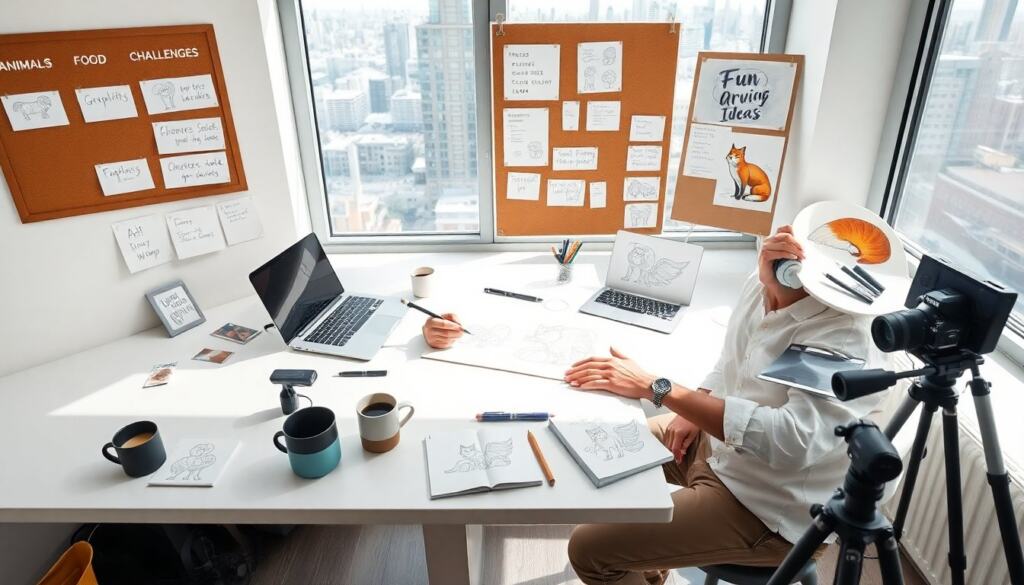
Themed lists guide focused practice. For animals, try cat in a chair, bird mid‑flight, or sleeping fox. For food, sketch a stacked sandwich, a bowl of fruit, and a dripping ice cream cone. For fantasy, draw a tiny dragon, a floating island, and a moonlit castle. They mix themes to create hybrid prompts like food‑wearing animals. The artist uses these themed prompts to keep sessions fresh and productive.
Make themed lists more useful by including constraints: draw each animal in three different styles (realistic, stylized, silhouette), or render each food item using only cross-hatching. For fantasy prompts, create a simple backstory to influence pose and environment. Keep a running prompt sheet and tick off items as you complete them—this builds a customized library of fun drawing ideas you can revisit for reference or portfolios.
Creative Challenges To Boost Your Skills (30‑Day, Limited Tools, Blind Contour)
They set short, strict rules to force growth. A 30‑day challenge gives one fun drawing idea per day and asks for one sketch daily. A limited‑tools challenge asks the artist to use only one pen or only charcoal for a week. A blind‑contour challenge asks the artist to look only at the subject while drawing without lifting the pen. These constraints sharpen observation and make the fun drawing ideas more effective.
When designing a challenge, include a clear objective for each week—gesture, value, or composition—so the challenge accumulates skills rather than only producing many unrelated images. Track successes and frustrating pieces in a single notebook; hard drawings often reveal the most useful lessons. Pair challenges with reflection days where you analyze what worked, what failed, and how to apply those lessons to future fun drawing ideas.
Time‑And‑Scale Prompts: Quick Studies Versus Detailed Pieces
They balance short studies and long works. Quick studies run from one to fifteen minutes and focus on value, edge, or gesture. Detailed pieces take several sessions and focus on composition, texture, and color. The artist assigns the same fun drawing idea to both formats. They learn how the same prompt yields different lessons when they change time and scale.
To practice this systematically, pick one prompt and set two sessions: a 10‑minute study to capture overall values and a multi‑session piece that expands those decisions into a finished artwork. Keep separate folders or sketchbook sections for quick studies and detailed pieces so you can compare how problem-solving differs by scale. Use quick studies as reference material—cropping a study for a detailed piece can preserve spontaneity while allowing refinement.
How To Turn A Prompt Into A Finished Piece (Composition, Color, And Presentation)
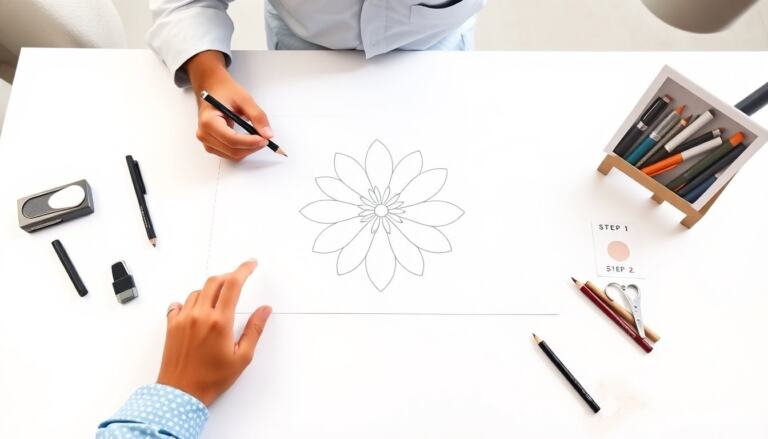
They plan before they start a large piece. The artist picks one fun drawing idea and sketches three thumbnails. They choose the strongest thumbnail and map values with a simple gray study. They pick a limited color scheme and test swatches on scrap paper. They refine edges and add texture in stages. Finally, they present the work on a clean background and photograph it with even light. These steps help the artist turn ideas into polished pieces.
Composition tips: consider focal points, negative space, and the rule of thirds as guides, not strict laws. For color, start with a restrained palette and build contrast gradually; small accents can draw the eye more effectively than complex schemes. Presentation matters—mount or mat a finished drawing, or photograph it with neutral lighting and straightforward cropping to communicate the work clearly. After presentation, write a short note about the prompt and decisions made; this documentation turns each fun drawing idea into a learning asset you can revisit.