Video game character concept art defines a character’s look before production begins. The artist sketches, tests, and refines ideas. The team uses those visuals to set tone, animation, and gameplay direction. This guide explains how teams research, design, and deliver strong character art that players will recall and enjoy. It shows practical steps and clear rules for consistent results.
Key Takeaways
- Video game character concept art visually defines a character’s appearance and personality, guiding the game’s tone and animation early on.
- Effective concept art relies on thorough research and relevant visual references tailored to the game’s genre and cultural context.
- Strong character concept art incorporates clear silhouettes, balanced details, and practical design choices to ensure recognizability and smooth animation.
- A structured workflow from thumbnails to final renders with detailed deliverables helps teams maintain consistency and efficiency in production.
- Well-executed character concept art minimizes rework, assists production planning, and supports marketing by presenting a compelling character image.
What Character Concept Art Is And Why It Matters In Game Development
Video game character concept art shows a character’s appearance and personality in visual form. The artist creates silhouettes, facial studies, costume designs, and color tests. The art communicates role, backstory, and movement to designers and animators. Teams use concept art to align on style, production scope, and technical limits. Strong concept art reduces rework by clarifying intent early. It also helps marketing present a clear image of the character. Producers judge feasibility from concept art and set budgets. Publishers measure player reaction to early looks and adjust direction when needed.
Research And Inspiration: Building A Visual Foundation
The team starts by gathering visual references and context for the character. Research covers genre expectations, cultural cues, and player demographics. The artist collects photos, period art, film stills, and existing game references. The work includes mood boards that show lighting, fabric, and silhouette ideas. The team labels notes on function and story to avoid design clashes. Research prevents visual clichés and supports believable details. The artist refines references into quick sketches and finds one or two strong directions before moving to thumbnails. This step keeps concept art focused and on brief.
Genre, Culture, And Visual Reference Gathering
The artist chooses references that match the game’s genre and setting. For a sci-fi title, they gather tech, armor, and neon palettes. For a fantasy title, they collect garments, symbols, and natural textures. The artist notes cultural specifics and avoids mix-ups that would confuse players. They record how clothing moves and how props function in real life. The artist annotates references with color chips and material samples. This method helps the team make practical costume and prop choices during production. Early reference work speeds iteration and keeps the final concept coherent.
Core Design Principles For Strong Character Concepts
The artist applies basic design rules that make a character read well on screen. They test multiple silhouettes and shape contrasts to ensure instant recognition. The work balances form, function, and readable detail across distances. The artist also considers rigging and animation limits to avoid design choices that block motion. They plan clothing layers so artists can reuse textures. The team codes clear turnarounds and expression sheets to guide modelers. Concept art that follows these principles lowers development friction and helps the character keep personality through production.
From Thumbnail To Final Render: Practical Workflow And Deliverables
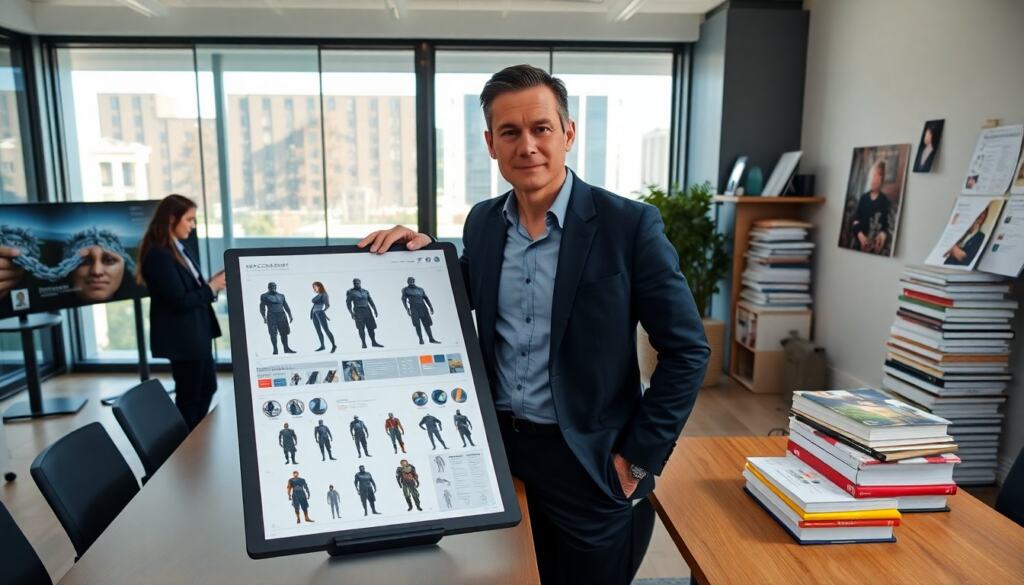
The workflow follows clear stages and set deliverables. The artist produces thumbnails and selects three strong directions. They refine one direction into orthographic turnarounds, facial sheets, and costume closeups. Next they paint color keys and a full-body render with notes for materials and shader intent. The team packs deliverables into a concept sheet for modelers and technical artists. They add expression sheets and simple action poses to guide animation. The artist hands over layered PSDs and referenced textures to speed asset creation. This pipeline keeps concept art actionable and reduces back-and-forth during production.